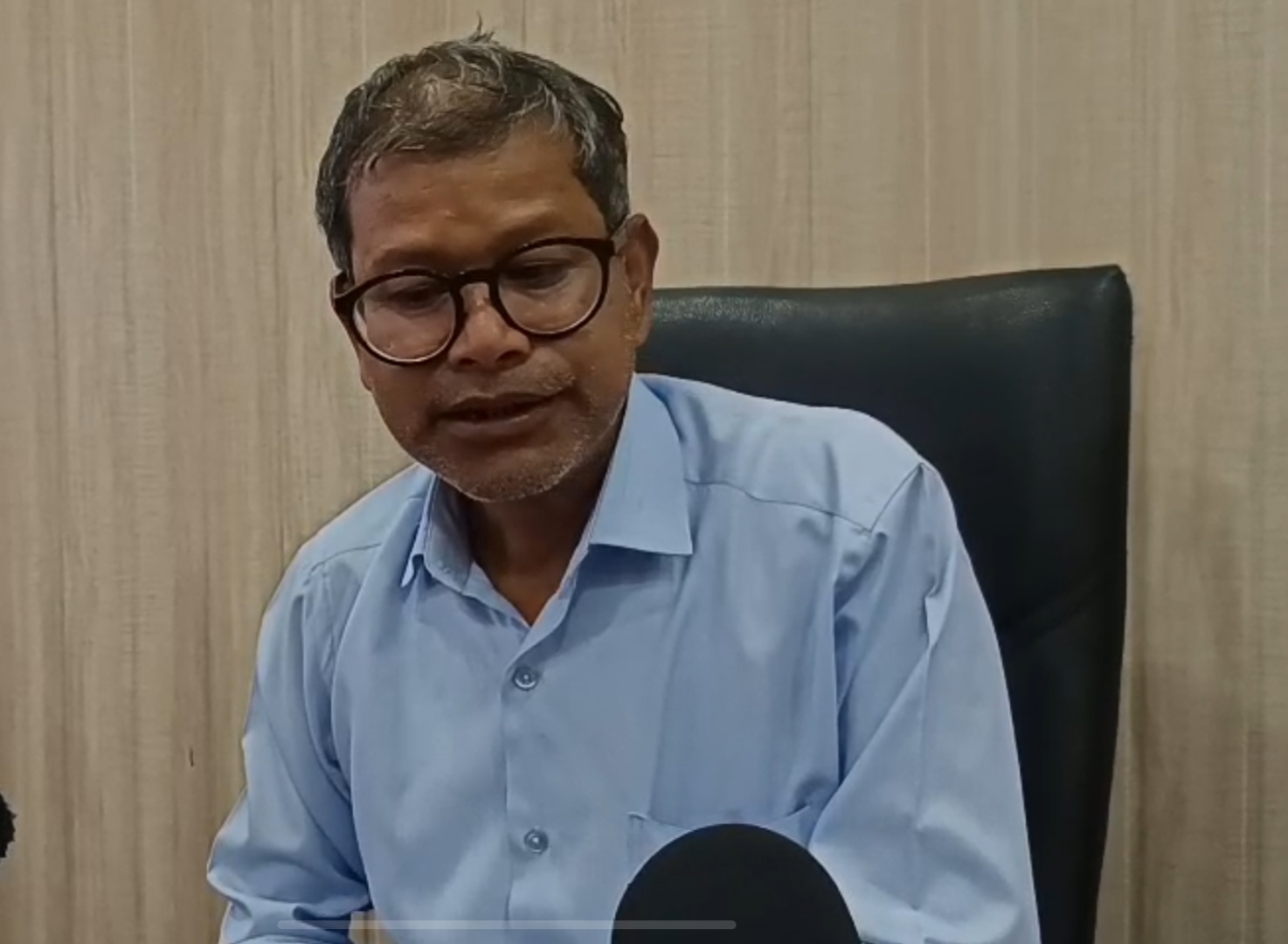
SHILLONG : Education Minister Lahkmen Rymbui on Tuesday described traffic congestion in Shillong as a “permanent” challenge, stating that the problem is common to hill stations across the world and remains difficult to resolve due to limitations in available land.
Speaking on the issue, Rymbui pointed out that traffic congestion is not unique to Meghalaya and cited the example of Sikkim, where more than 72,000 vehicles reportedly entered the state within a span of three days.
“Traffic congestion is a problem in hill stations across the world. Shillong is no exception, and the challenge is compounded by limited land availability,” he said.
The minister said the State Government is pursuing several infrastructure projects aimed at easing traffic pressure in and around Shillong. These include the Shillong Bypass, the Western Bypass and a proposed flyover connecting Polo to New Shillong.
He also revealed that the government is working to acquire land for a new road linking the Jowai-Shillong Road to New Shillong, which is expected to improve connectivity and reduce traffic congestion within the city.
According to Rymbui, land acquisition remains one of the biggest obstacles to road expansion projects in Shillong. He noted that even efforts to widen important stretches, including the road from Rhino Point to Junction, face significant challenges due to land constraints.
“Land remains a major issue. Even constructing a four-lane road in certain areas is difficult because of space limitations,” he said.
Rymbui described the development of New Shillong Township as one of the most effective long-term solutions to ease congestion in the state capital. He credited the Government, under the leadership of Chief Minister Conrad K. Sangma, for pushing forward the project and ensuring that modern amenities are being developed in the township.
He said New Shillong is no longer a future vision but a reality that will play a vital role in reducing pressure on Shillong city by encouraging administrative, residential and commercial expansion outside the congested urban centre.
However, the minister cautioned that infrastructure projects alone cannot completely solve traffic problems. He stressed the need for greater public responsibility, cooperation and civic awareness to complement the Government’s efforts.
According to Rymbui, lasting improvements will require both infrastructure development and active participation from citizens in following traffic rules and supporting measures aimed at improving urban mobility.