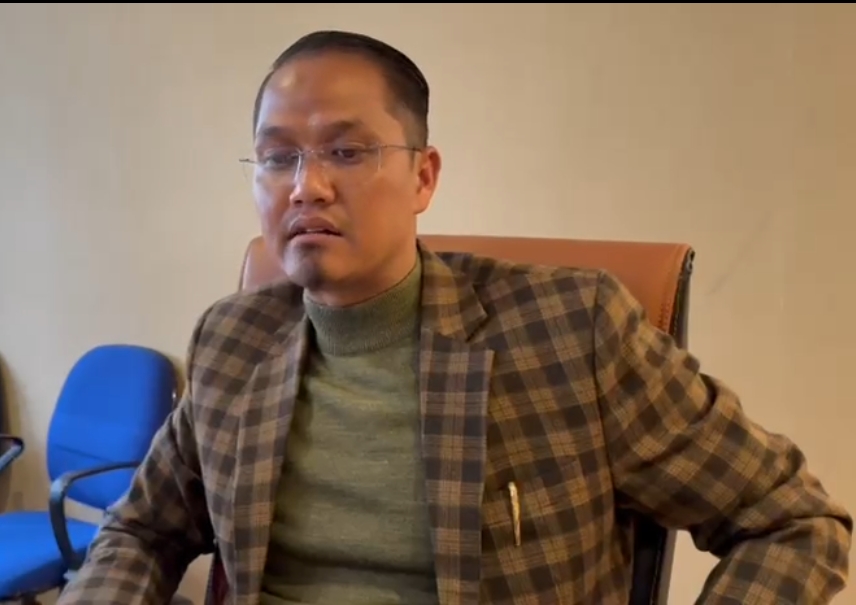
SHILLONG : Meghalaya Health Minister Wailadmiki Shylla on Wednesday flagged a serious shortage of doctors in rural areas and said the government is considering a major overhaul of the MBBS bond policy to ensure medical graduates return and serve in the state.
Speaking to reporters, Shylla said Meghalaya continues to give top priority to the health sector, with one of the highest allocations in the country. He revealed that nearly 8 percent of the state’s total budget is dedicated to healthcare, making it the highest nationwide.
Highlighting expenditure, the minister said Meghalaya spends over Rs 7,000 per person annually on healthcare, which is more than double the national average of Rs 3,500. However, he stressed that financial investment alone cannot solve the problem without proper planning and long-term vision.
Despite the government sponsoring MBBS students every year, many fail to return to serve in Meghalaya—especially in rural areas where the need is greatest. To address this, the government is now actively exploring changes to the bond policy that could make it mandatory for students to serve in the state after completing their medical education.
Shylla said discussions have already been held with the Chief Minister and officials from the medical education department to redesign the policy framework. The aim is to ensure that government-supported students contribute back to the state’s healthcare system.
The minister also pointed out that medical education in Meghalaya is expanding, with Shillong Medical College starting its first MBBS batch this year. This marks a significant step toward strengthening the local healthcare workforce.
In addition, the government is working to upgrade nursing infrastructure by converting existing nursing schools into full-fledged colleges, creating more opportunities for students in the healthcare sector.
To address the shortage of specialists in rural regions, doctors are being sent for short-term training courses to enhance their skills and fill critical gaps.
However, Shylla acknowledged that the health sector continues to face multiple challenges, including lack of infrastructure, manpower shortages, limited equipment, and social stigma that prevents people from seeking timely medical care.
On the issue of de-addiction centres, the minister said work has begun in some districts, although progress in others is delayed due to land-related issues.
The proposed reform in the MBBS bond policy is expected to play a crucial role in strengthening rural healthcare services and ensuring that public investment in medical education directly benefits the people of Meghalaya.